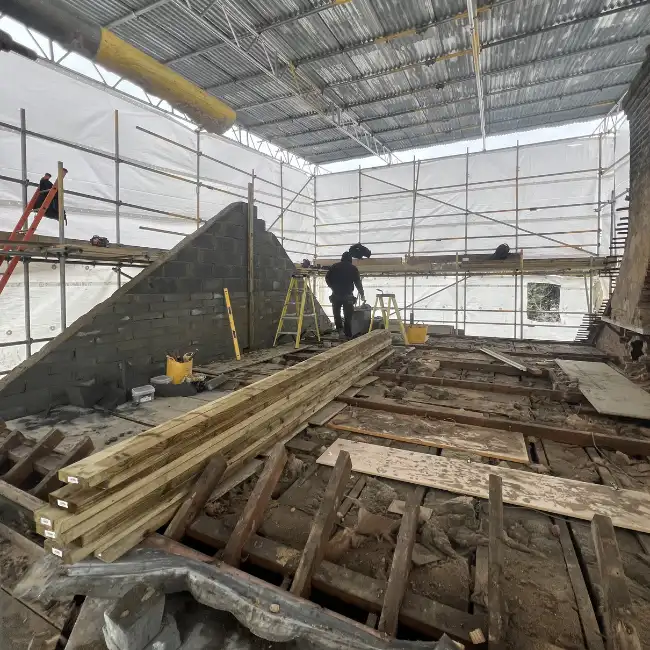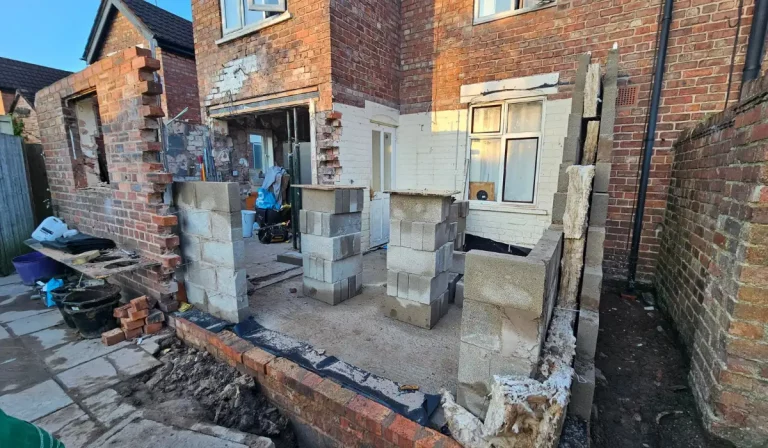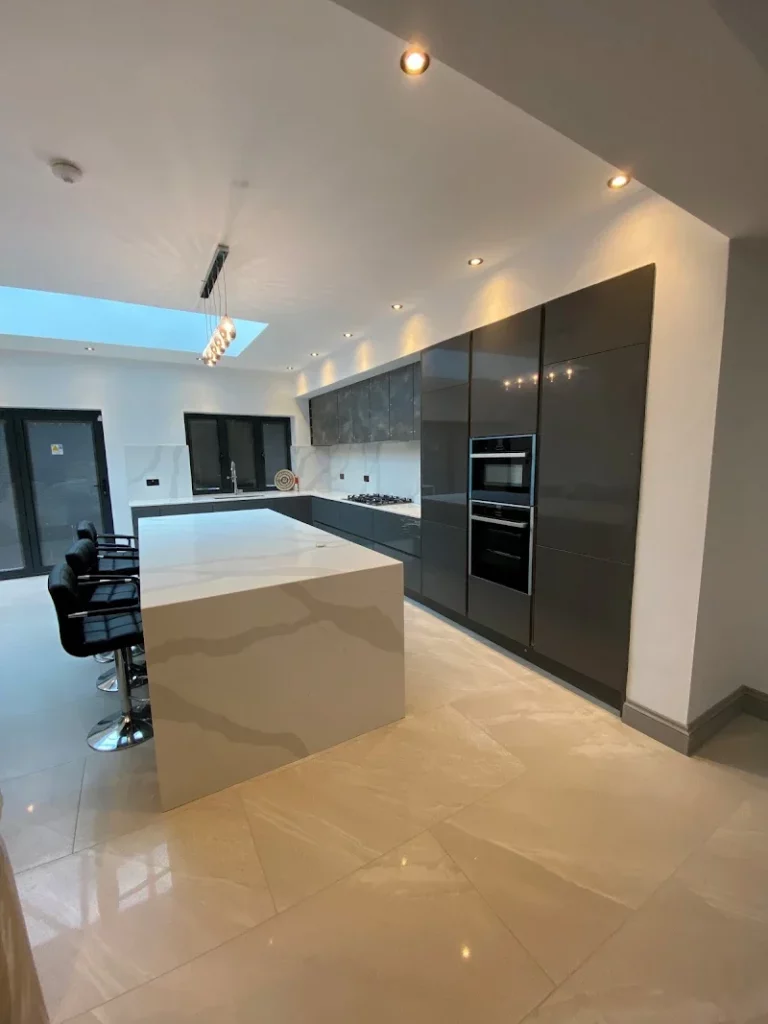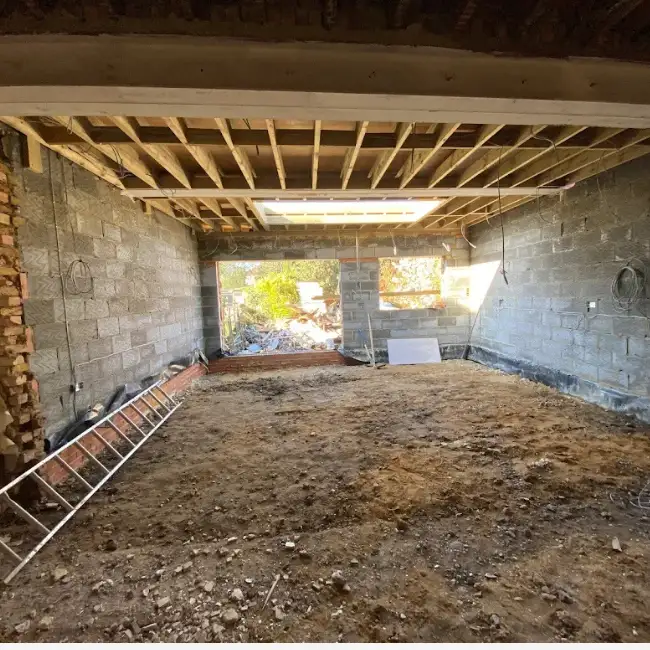
The most common building mistakes homeowners make in Ilford include choosing builders based solely on price, failing to check references, ignoring planning requirements, underestimating costs, and making changes during construction. These mistakes can lead to delays, budget overruns, poor workmanship, and compliance issues. By planning carefully, obtaining detailed quotations, and working with experienced local builders, homeowners can significantly improve the success of their project and avoid costly problems.
If you’re planning a building project in Ilford and want expert guidance, you can speak with a trusted local team at
JJ Construction Company Ltd.
Home improvement projects can be exciting, whether you’re planning a loft conversion, house extension, renovation, or structural alteration. However, many homeowners in Ilford make avoidable mistakes that result in delays, unexpected costs, and unnecessary stress.
With a mix of Victorian terraces, Edwardian homes, 1930s semis, and modern developments, properties in Ilford often present unique construction challenges. Understanding the common pitfalls before starting a project can help you save money, protect your investment, and achieve a better final result.
This guide highlights the most common building mistakes homeowners make in Ilford and explains how to avoid them.

The 10 Biggest Building Mistakes Homeowners Make in Ilford
1. Choosing the Cheapest Quote
One of the biggest mistakes homeowners make is selecting a contractor solely because they submitted the lowest quotation.
A significantly lower quote may indicate:
Instead of focusing only on price, compare quotations carefully and ensure every builder is pricing the same specification.
Expert Tip
A detailed and transparent quotation is often a better indicator of professionalism than the cheapest price.
2. Not Checking References
Many homeowners fail to thoroughly research their chosen builder before making a final decision, which can lead to costly mistakes.
Before hiring a contractor, it is essential to request:
Speaking directly with previous clients can provide valuable insight into communication, reliability, site cleanliness, and overall workmanship quality.
Expert Tip:
Always verify a builder’s past work and speak to previous clients before committing.
3. Failing to Verify Insurance
Construction projects carry risks, and appropriate insurance is essential.
Builders should have:
Without adequate insurance, homeowners could face financial liability if accidents or damage occur during the project.
4. Starting Without Detailed Plans
Poor planning often leads to misunderstandings and costly changes later.
Detailed drawings and specifications help define:
The more information available before construction begins, the smoother the project is likely to run.
5. Underestimating Project Costs
Unexpected costs are common in construction, especially in older properties.
Hidden issues may include:
A contingency budget of 10–15% is recommended for most residential projects. For example, a £50,000 extension project should ideally include an additional £5,000–£7,500 contingency allowance.
6. Not Using a Written Contract
Verbal agreements can easily lead to misunderstandings and costly disputes during a project.
A professional building contract should clearly outline:
Written agreements help protect both the homeowner and the builder, ensuring everything is clearly defined and agreed before work begins.
7. Ignoring Planning Permission Requirements
Many homeowners incorrectly assume all home improvements can be completed without approval from local authorities.
Depending on the project, you may require:
Starting work without obtaining the necessary approvals can lead to delays, enforcement action, and expensive remedial work.
8. Making Too Many Changes During Construction
Changing layouts, materials, or specifications after work has started is one of the fastest ways to increase costs and delay completion.
Late-stage changes often result in:
Finalising design decisions before construction begins can save significant time and money.
9. Ignoring Building Regulations
Building Regulations are designed to ensure safety and compliance.
They cover areas such as:
Failure to comply can create issues when selling the property and may require corrective work in the future.
10. Hiring inexperienced builders
Local knowledge can make a substantial difference to project success.
Experienced builders in Ilford understand:
This knowledge often helps avoid delays and improves project efficiency.
Common Building Services in Ilford
Loft Conversions
Loft conversions are popular in Ilford because they create additional living space without reducing garden size.
Common Mistakes
House Extensions
Extensions provide additional living space and can significantly improve property value.
Common Mistakes
Structural Alterations
Removing walls and creating open-plan spaces remains popular among homeowners.
Common Mistakes
Local Factors Affecting Building Projects in Ilford
Several local considerations can impact construction projects.
These include:
Understanding these factors early can help reduce delays and improve planning accuracy.
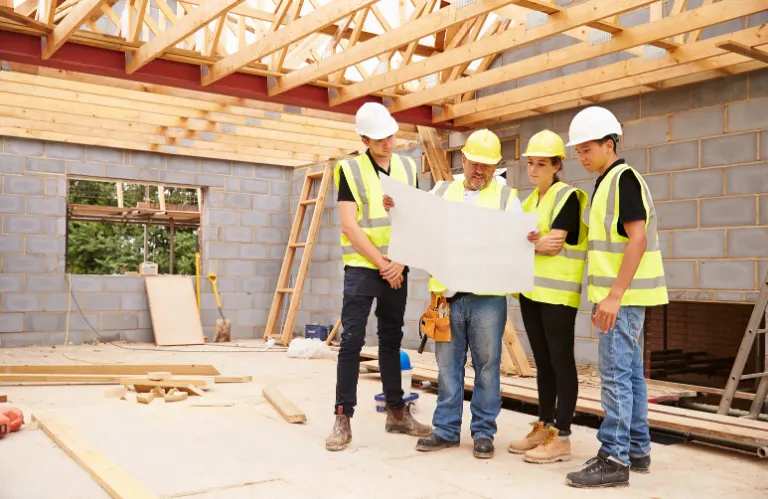
Warning Signs to Avoid When Hiring a Builder
Be cautious if a contractor:
While a low price may seem attractive, it can sometimes indicate missing items or unrealistic expectations.
Expert Builder Tips
Choose builders with local experience.
Compare scope as well as price.
Verify insurance documents.
Finalise design decisions early.
Maintain a contingency budget.
Check references before signing contracts.
Keep communication records.
Understand planning requirements before starting work.
Ensure Building Regulations compliance.
Always obtain at least three quotations.
Why Local Experience Matters
Builders familiar with Ilford, Barking, Romford, Dagenham, Gants Hill, and surrounding areas often understand local planning expectations, housing styles, and construction challenges better than contractors from outside the area.
This experience can contribute to more accurate quotations, smoother project management, and fewer unexpected issues.

Frequently Asked Questions
Final Thoughts
Most building mistakes can be avoided through careful planning, realistic budgeting, and choosing the right contractor.
Whether you’re considering a loft conversion, extension, renovation, or structural alteration, taking the time to understand potential risks before work begins can save thousands of pounds and prevent unnecessary stress.
If you’re planning a building project in Ilford, obtaining professional advice early in the process can help ensure your project starts on the right foundations.