Understanding building regulations is essential for anyone planning home improvements in the UK. Whether you’re considering a loft conversion, house extension, renovation, or structural alteration, these rules ensure your project is safe, structurally sound, and legally compliant.
If you’re working with builders in Ilford or surrounding areas such as Romford, Barking, or East Ham, knowing the basics of building regulations will help you avoid delays, failed inspections, and unexpected costs. It also ensures your project runs smoothly from design through to completion, with fewer surprises along the way.
Key benefits of understanding building regulations include:
By understanding these requirements early in the process, homeowners can plan more effectively, avoid unnecessary setbacks, and ensure their project is completed to a high standard with full compliance from start to finish.

Why building regulations matter?
Building regulations exist to ensure that all construction work meets minimum standards for:
Unlike planning permission, which focuses on how a building looks and fits into its surroundings, building regulations focus on how the work is actually built.
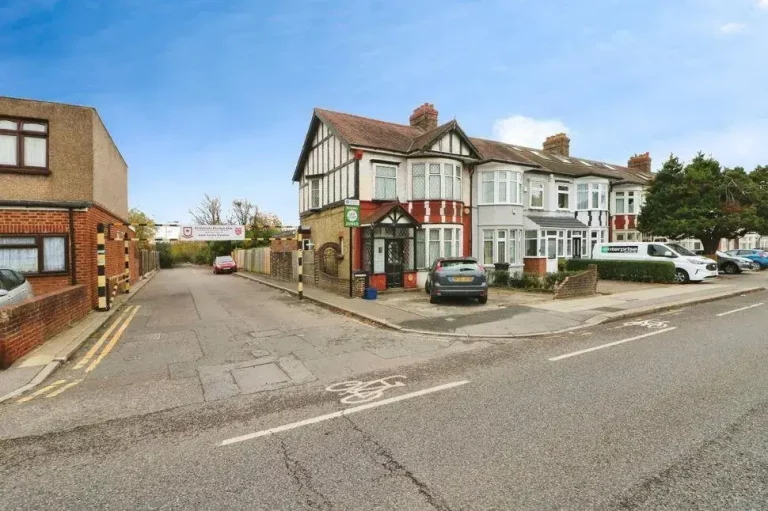
In areas like Ilford, where properties range from Victorian terraces to modern builds, compliance is especially important due to varied structural conditions.

Key UK building regulations homeowners should know
1. Structural safety (Part A)
This ensures that any structural work is safe and properly supported. It covers:
For example, removing a wall in a Victorian terrace without proper support can lead to serious structural issues.
2. Fire safety (Part B)
Fire safety rules are especially important in multi-storey homes and loft conversions. Requirements may include:
These measures help ensure safe evacuation and significantly reduce fire risks in both new builds and existing homes.
3. Insulation & energy efficiency (Part L)
This regulation ensures homes are energy efficient and reduce heat loss. It covers:
Modern extensions in Ilford often require significant insulation upgrades to meet current standards.
4. Ventilation (Part F)
Good ventilation prevents damp, mould, and poor air quality. It includes:
These systems ensure continuous airflow throughout the home, helping maintain a healthy living environment and preventing long-term structural damage caused by excess moisture.
3. Drainage and plumbing (Part H)
This covers safe water disposal and drainage systems, including:
Extensions often require drainage rerouting, especially in tightly packed urban areas like Ilford.
4. Electrical safety (Part P)
Electrical work in homes must be carried out safely and often requires certification. This includes:
This ensures all electrical work is safe, compliant, and properly certified, reducing risks and guaranteeing long-term reliability in the home.
Building regulations vs planning permission
Many homeowners often confuse these two approvals, but they serve very different purposes and are both important in construction projects.
| Requirement | Focus | When Needed |
| Planning permission | Appearance and location of the development | External changes such as extensions, loft conversions, or major alterations |
| Building regulations | Safety, structure, and technical compliance | Almost all major building work, including internal and structural changes |
Understanding the difference helps ensure your project is properly approved from both a design and safety perspective. In many cases, you may need one or both approvals depending on the scale and type of work being carried out.
Inspection stages during construction
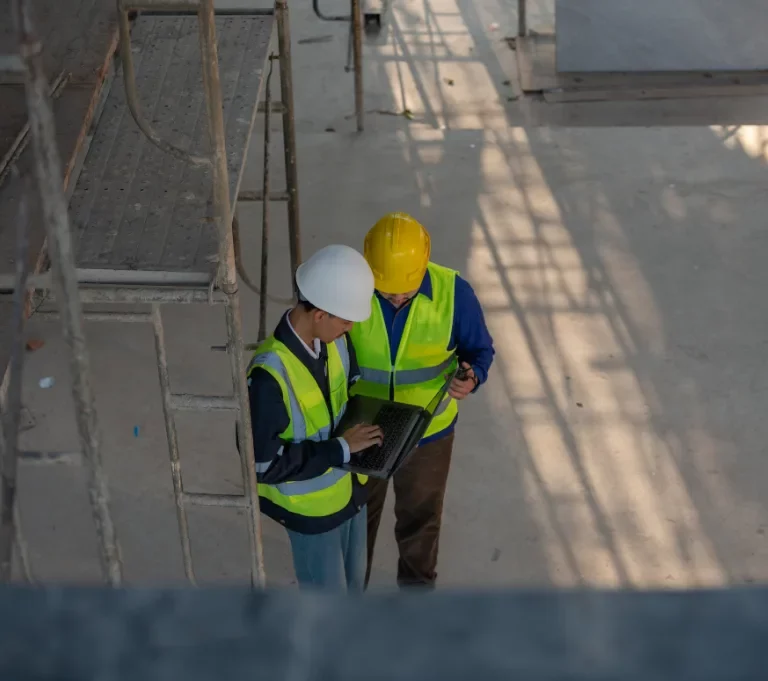
For most projects, building control officers will carry out inspections at key stages of the construction process to ensure all work complies with UK building regulations and is being completed safely and correctly.
These inspections typically include:
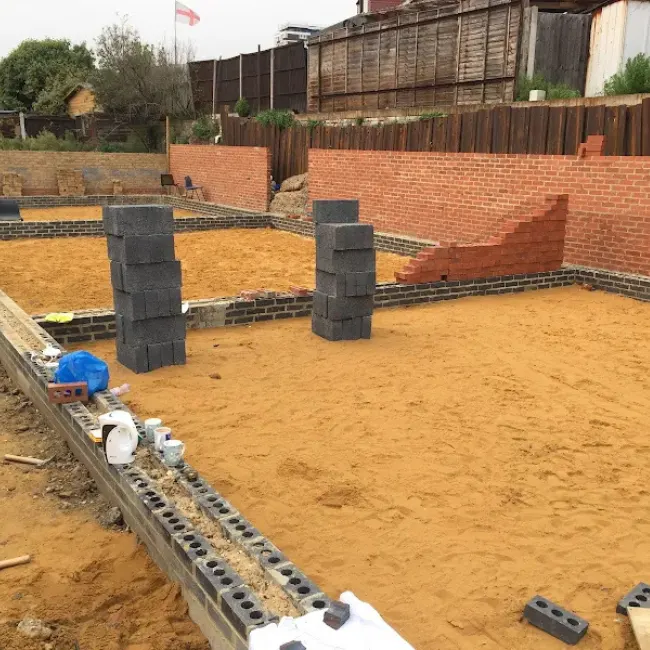
Foundations
Checking depth, stability, and correct preparation before any building work continues.
Structural framework
Ensuring beams, walls, and load-bearing elements are properly installed.
Drainage installation
Verifying waste and water systems are correctly connected and compliant.
Insulation and fire protection
Confirming energy efficiency standards and fire safety measures are met.
Final completion
Carrying out a full inspection once the project is finished to approve sign-off.
Each stage must be passed before moving forward, helping to ensure the project is safe, compliant, and built to a high standard from start to finish.
Common compliance mistakes homeowners make
When carrying out home improvement projects, many homeowners underestimate how strict UK building regulations can be and the importance of following them correctly from the very beginning. Whether it’s a loft conversion, house extension, or internal structural alteration, even small compliance errors can lead to significant issues later in the project. These mistakes often occur due to poor planning, lack of professional guidance, or misunderstanding of approval requirements.
Starting work without the required approvals or permissions.
Using unqualified or inexperienced contractors.
Missing mandatory building control inspections at key stages.
Incorrect structural calculations leading to unsafe work.
Poor insulation or ventilation installation that fails standards.
These mistakes can lead to costly remedial work, project delays, or serious legal complications when selling the property. In some cases, homeowners may even be required to undo or rebuild non-compliant work to meet regulations.
Cost considerations for building regulations
Building regulations approval typically involves several cost elements:
| Item | Typical Cost Range |
| Application fees | £300 – £1,000+ |
| Structural engineer reports | £500 – £1,500 |
| Inspection fees | Varies by project size |
| Compliance upgrades | Project-dependent |
Working with experienced builders helps ensure these costs are planned from the start.
How professional builders help with compliance
An experienced contractor plays a key role in ensuring your project meets regulations. For example, a company like JJ Construction Group Ltd can help by:
This reduces stress and helps keep the project on schedule.
Local considerations in Ilford and surrounding areas
In Ilford and nearby areas such as Barking, Romford, and Leytonstone, homeowners often face:
These factors make early compliance planning even more important.
Practical advice for homeowners
Before starting any project, it’s important to plan carefully and understand all compliance requirements to avoid delays, additional costs, or legal issues later in the process. Taking the time to prepare properly ensures your project runs smoothly from start to finish and meets all required building standards.
Proper preparation helps avoid unnecessary delays, reduces the risk of compliance issues, and ensures a smoother, more efficient project delivery from beginning to end.
Frequently Asked Questions
Final Thoughts
Building regulations are a crucial part of any construction project, ensuring safety, compliance, and long-term quality. Understanding these rules early helps homeowners avoid costly mistakes and delays.
If you are planning a loft conversion, extension, or renovation in Ilford or surrounding areas, working with experienced professionals ensures your project meets all required standards.
For expert guidance, compliant construction services, and reliable project delivery, contact JJ Construction Group Ltd today to discuss your plans.